



Article - April 13, 2020
Global Consumer Businesses Consider Emergence from COVID-19
While many countries remain in the full grip of the COVID-19 pandemic, others are showing signs that the virus is abating, and political and business leaders are beginning to discuss easing restrictions. Yet there is no playbook for emerging from the current environment, or a consensus on what “normal” is going to look like. Much will be learned in the coming weeks as specific locations around the globe test different approaches. One especially important indicator of recovery is the health of global retail businesses.
Here, five global Harris Williams professionals discuss how governments and retail businesses in their respective markets are planning to emerge from the pandemic. Managing director Daniel Wang speaks to dynamics in Asia, managing director Ed Arkus and director Andreas Poth share views on the U.K. and Europe, and managing directors John Neuner and Ryan Budlong represent the U.S. perspective.
How are countries across Asia employing restrictions as they emerge from the fight against COVID-19?
Wang: Countries are responding differently. Japan and South Korea put guidelines in place regarding wearing masks and social distancing, but without strict enforcement. China implemented strict guidelines going into the COVID-19 crisis but has been less aggressive in recovery guidelines. Taiwan and Hong Kong have been far more structured in recovery guidelines and enforcement. Culture is certainly a factor in whether countries are enforcing mandatory guidelines. Geography also plays a part: Borders on island nations are easier to isolate, for example. Country size and population are also important factors.
How are guidelines for recovery being applied in Asia for specific consumer sectors such as restaurants, fitness and retail?
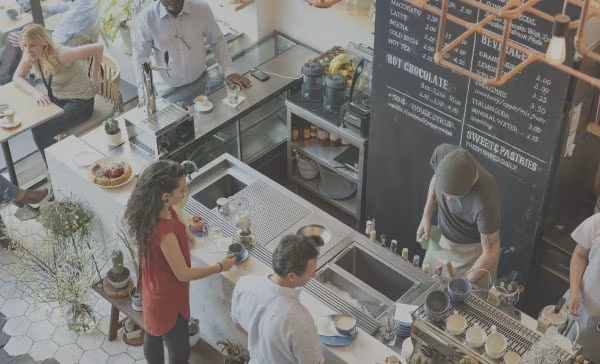
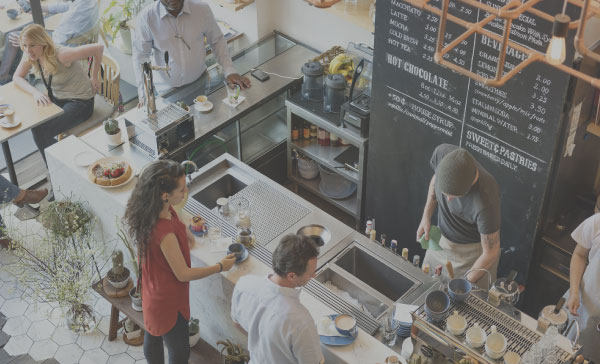
 Wang: Many countries in Asia, such as Japan, do not have social distancing rules in place for restaurants or limits on the number of patrons, perhaps because food is a large part of East Asian culture. In China, signs remind people to wear masks and keep a safe distance, but restaurants in major cities are crowded during peak times. South Korea is generally following social distancing voluntarily, with six feet between individuals. In Taiwan, there must be 1.5 meters between each person, every other table must be left empty, and seating must be at 50% of capacity. Hong Kong is also requiring every other table to be left empty.
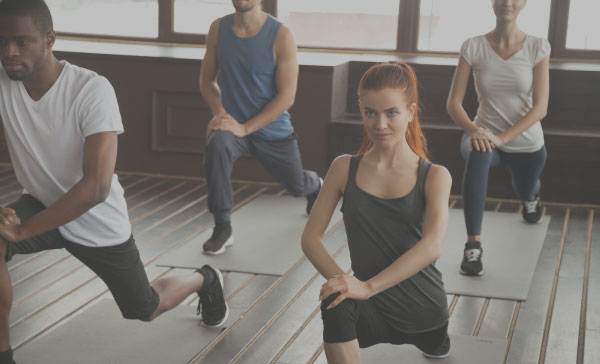
Reopening fitness centers is top of mind for both governments and consumers in Singapore, Hong Kong and Australia, where this Western concept is well embraced. Guidelines in these countries include maintaining two meters between people, limiting class sizes to 30 people and shutting off every other workout machine to enforce distancing. Hong Kong and Singapore fitness centers are taking temperatures upon entrance, requiring face masks and removing sweat-absorbing equipment such as punching bags.
Retail is just starting to open up in most Asian countries. In an effort to draw consumers back to stores, many countries are not putting distancing restrictions in place for retailers, although they may be making recommendations. Singapore requires retailers to separate shoppers by one meter throughout the store, and retailers have established progressive entry policies. China limits the number of people shopping together to less than four people. Some countries, such as Thailand and Vietnam, still have all non-essential retail closed.
How have countries across Europe employed those sorts of restrictions?
Poth: Much like countries within Asia, European countries have taken different approaches to restrictions. More stringent restrictions strongly correlate to the death rates being experienced, the utilization of the healthcare system and the availability of ICU beds, rather than geography. Some governments have more strictly enforced guidelines than others, which relates to the level of trust people have in their government, and the degree to which they are used to adhering to rules versus perceiving such guidelines as advice. These cultural differences are part of a nation’s history and can vary significantly across Europe.
Where do European countries stand now relative to planning their lockdown exits?
Arkus: This is a very fluid situation, with plans and policies continuing to evolve. Austria, Germany, Italy and Spain have seen signs of improvement in their recent virus statistics, which offers hope that the crisis has reached its peak and that we will see more countries release lockdown measures over time. What is clear from all of Europe is that life will not move from full shutdown to 100% recovery immediately. Many social distancing measures will remain in place for the foreseeable future, and it is reasonable to expect that a “new normal” will emerge from the current crisis.
Austria was the first country in Europe to set detailed plans for easing social distancing restrictions, with a phased approach. It begins with opening smaller stores, followed by larger stores, malls, and eventually restaurants. There is no timetable yet for reopening fitness centers. Denmark is also loosening restrictions in this time frame and is asking people to “work in a more staggered way” to avoid overcrowding on trains and buses during rush hour—an idea likely to be adopted by other countries.
How are guidelines for recovery being applied in Europe for specific consumer sectors such as restaurants, fitness and retail?
 Arkus: There are many tactics the health and fitness industry is considering as countries emerge from the shutdown to ensure distancing and good hygiene. Ideas include limiting the number of people in the gym at any one time, and using reservation slots not just for classes but for gym use as well. There will be additional cleaning across the gym, and cleaning post-use on all equipment. Separation of equipment, marking out appropriate gaps for social distancing in changing rooms, the use of masks during exercise and temperature checks at entrances are all being considered as ways to help prevent virus spread.
Poth: The most specific plan for retail reopening, which was released by Austria, includes phasing in the openings by sector while limiting the number of customers in the store at any one time and recommending the wearing of face masks while shopping. Restaurants remain closed in most countries and no government has talked specifically about how its country will reopen them. It is generally expected that there will be a slow recovery as restrictions on occupancy are likely to be recommended and consumers’ willingness to publicly gather in groups has declined. Furthermore, a key driver of business for many restaurants across Europe is tourism, which could be one of the last segments to recover.
How did the United States employ restrictions as it entered the fight against COVID-19?
Budlong: The biggest difference is that restrictions in the U.S. are being determined and enforced at state and local levels. What California and New York are doing can be quite different than Florida or South Dakota, for example. As a result, consumer businesses that operate in multiple states will need to create localized approaches as they emerge from the lockdown environment. Some are following the most conservative state guidelines throughout their network of locations. Walmart, for example, will allow no more than five customers for every 1,000 square feet of space, which is roughly 20% of available capacity. Target has also issued occupancy limits to increase the average space per person and reduce the possibility of congestion. In some areas, retailers are being barred from selling non-essential items (e.g., electronics and apparel) while being allowed to stay open for essential items.
Neuner: Because cases of COVID-19 in the U.S. are still growing, the federal and state governments are in the very early stages of planning recovery. We will watch the actions in Asia and Europe closely to see which approaches are the most successful. Since our state and local governments are in control of how recovery will progress, reopening across the U.S. will be as localized as our lockdown, and businesses that cross state borders will have to respond accordingly.
One very important factor as countries settle into the next stage of this crisis is how, with expanded testing, we will be able to understand who currently has the virus as well as who has had it and now has immunity. For example, South Korea, which has widespread testing capabilities, can track who an infected person comes in contact with, and prevent that person from traveling or accessing public transportation. Italy and Germany are among the countries also looking at smartphone tracking and new smartphone apps that could allow them to identify those who have been exposed to the virus and quickly contain new outbreaks. And, within the U.S., this concept is core to how states are planning their approach to emerge from the crisis. Consumer businesses should consider how this detailed insight may affect their operations over the coming months, from their employment plans to their customer-facing strategies.
Regardless of where they are located, all consumer businesses around the globe will need to walk a fine line between restoring consumer traffic, adhering to government regulations and addressing the ever-present threat of COVID-19. Luckily, given the timing of the pandemic’s spread, U.S. consumer businesses will have the benefit of Asian and European experience.
Published April 2020
Contacts
Ed Arkus
Group Head
Managing Director
Ryan Budlong
Group Head
Managing Director
John Neuner
Co-Chief Executive Officer
Group Head
Managing Director
Daniel Wang
Head of Asia-Pacific & Sovereign Wealth Funds
Managing Director
Andreas Poth
Managing Director

