




Article - September 11, 2019
Sector Analysis: Global Health and Wellness
Sector Overview
The global health and wellness sector is a $300 billion-plus opportunity created by the convergence of three growing global markets:
Fitness and training
Workplace health and wellness
Digital health
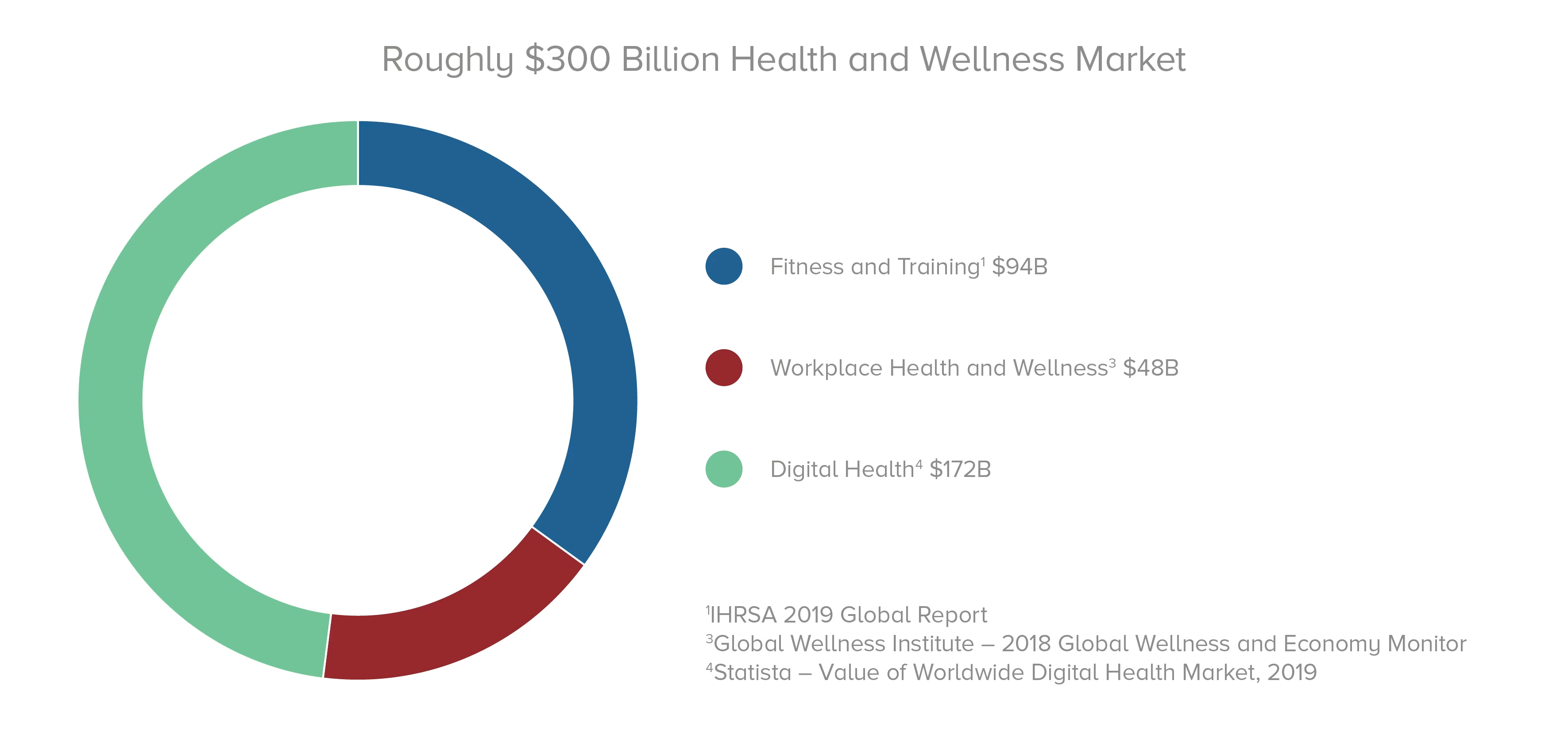
Fitness and Training
Source: IHRSA
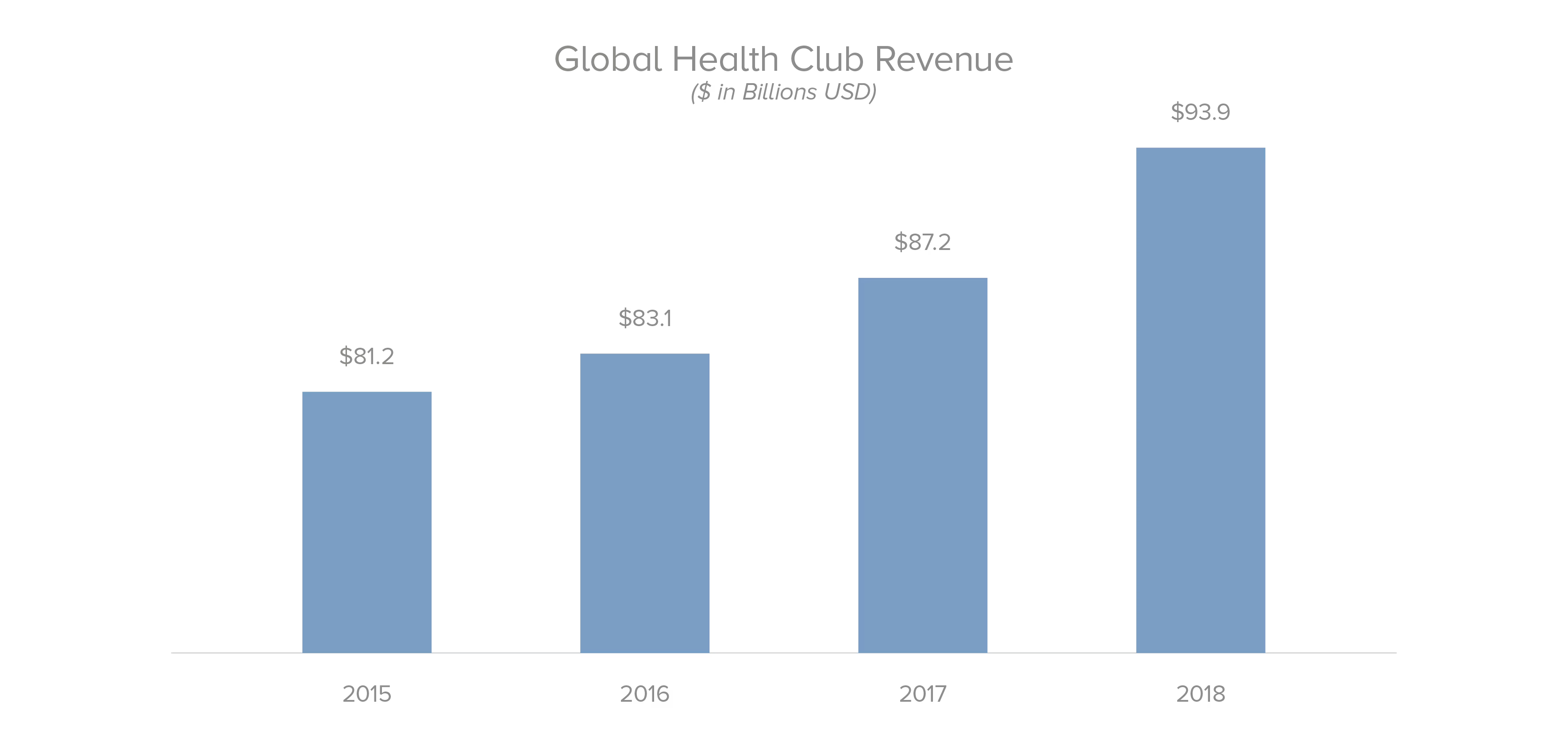
The roughly $94 billion global fitness and training market has grown by 15% since 2015.1
Source: IHRSA
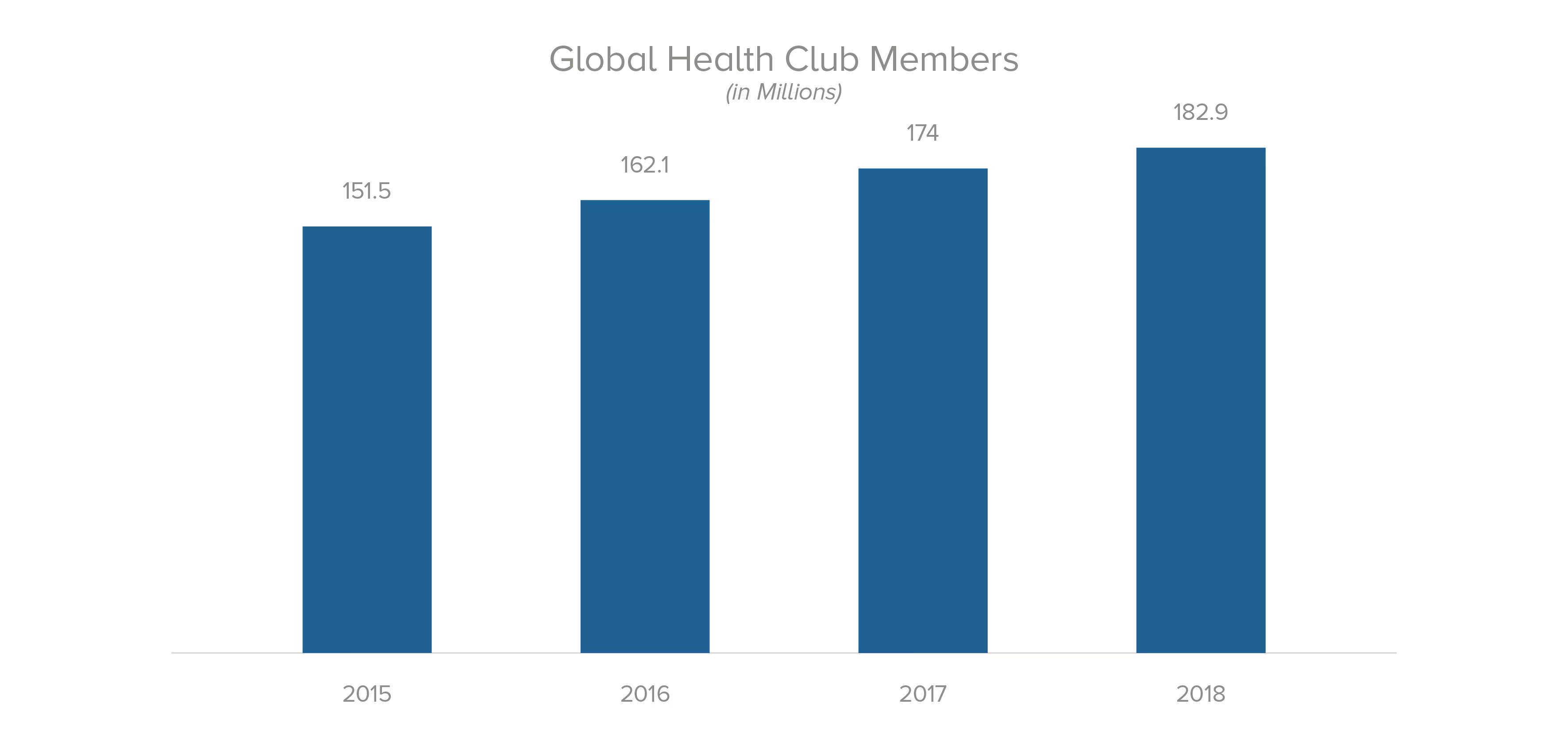
In 2018, 182.9 million people belonged to a health club, a record high.2 The highest growth has been among high-value, low-price gyms as well as premium and studio concepts, which, in the U.S., are being driven by Planet Fitness and Orangetheory Fitness respectively.
Source: IHRSA
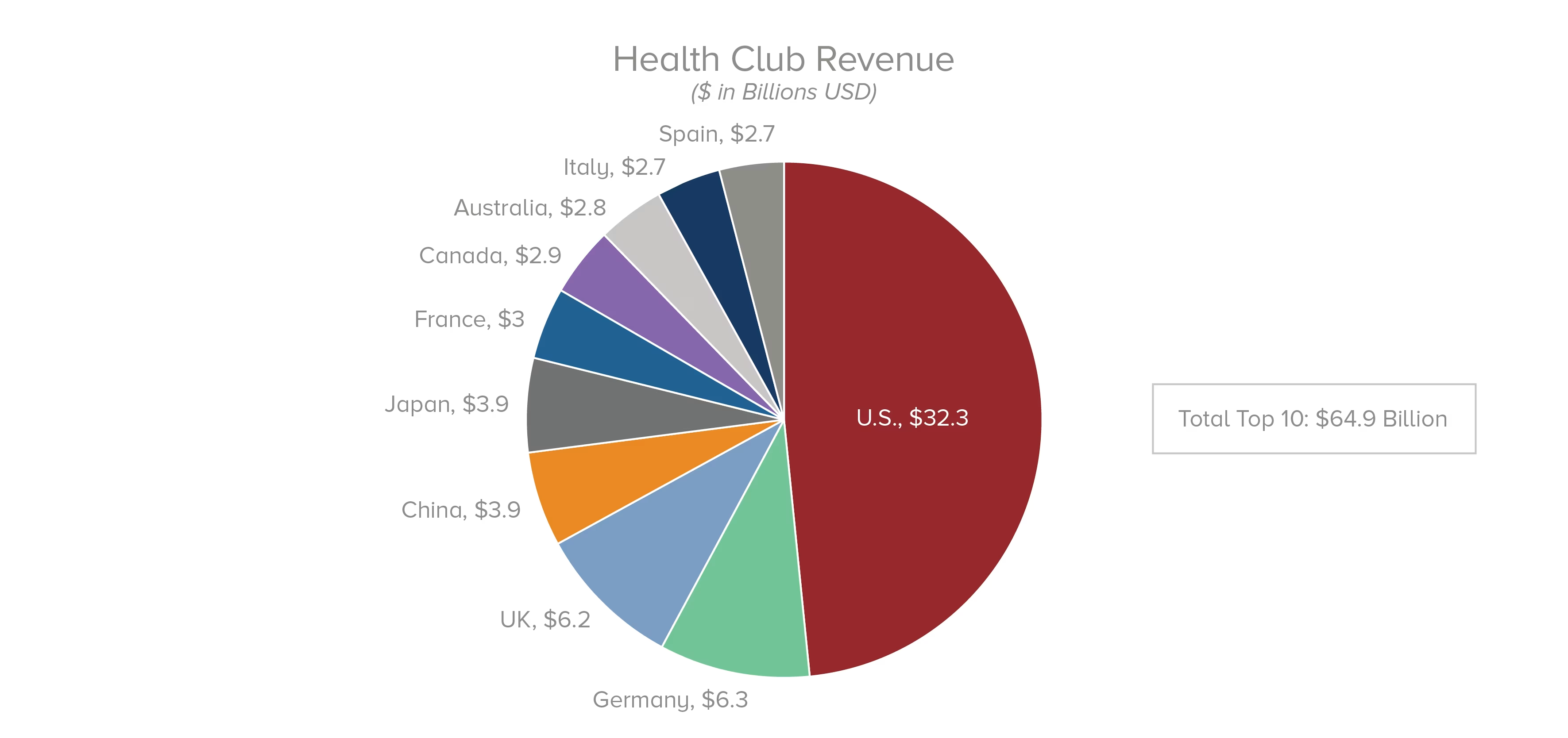
According to a study conducted by The International Health, Racquet & Sportsclub Association (IHRSA), health club visits in the US have increased from 4.3 billion visits in 2008 to 6.1 billion visits in 2018—a growth rate of 43%.3
Workplace Health and Wellness
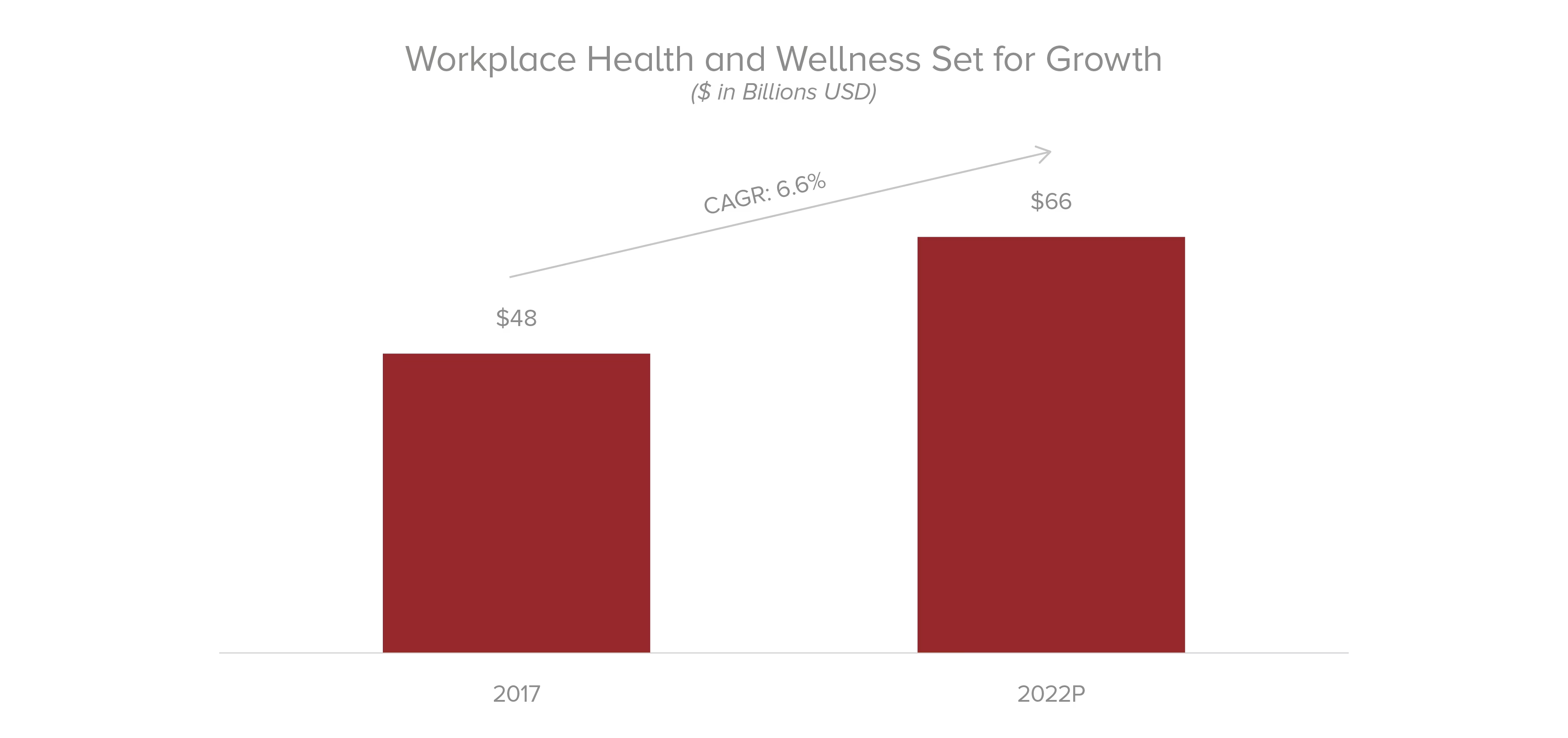
Workplace health and wellness is a roughly $48 billion global industry. It is expected to grow at a CAGR of 6.6% between 2017 and 2022.4
Figure 4: Workplace Health and Wellness Set for Growth
Source: Global Wellness Institute
According to James Clark, a managing director in the Harris Williams Healthcare & Life Sciences Group, employers are increasingly recognizing the benefits of employee engagement and proactive health management: “Whether through fitness, nutrition, wellness or primary care, or some combination thereof, employers are seeing increased engagement, higher productivity and lower healthcare costs.”
Digital Health
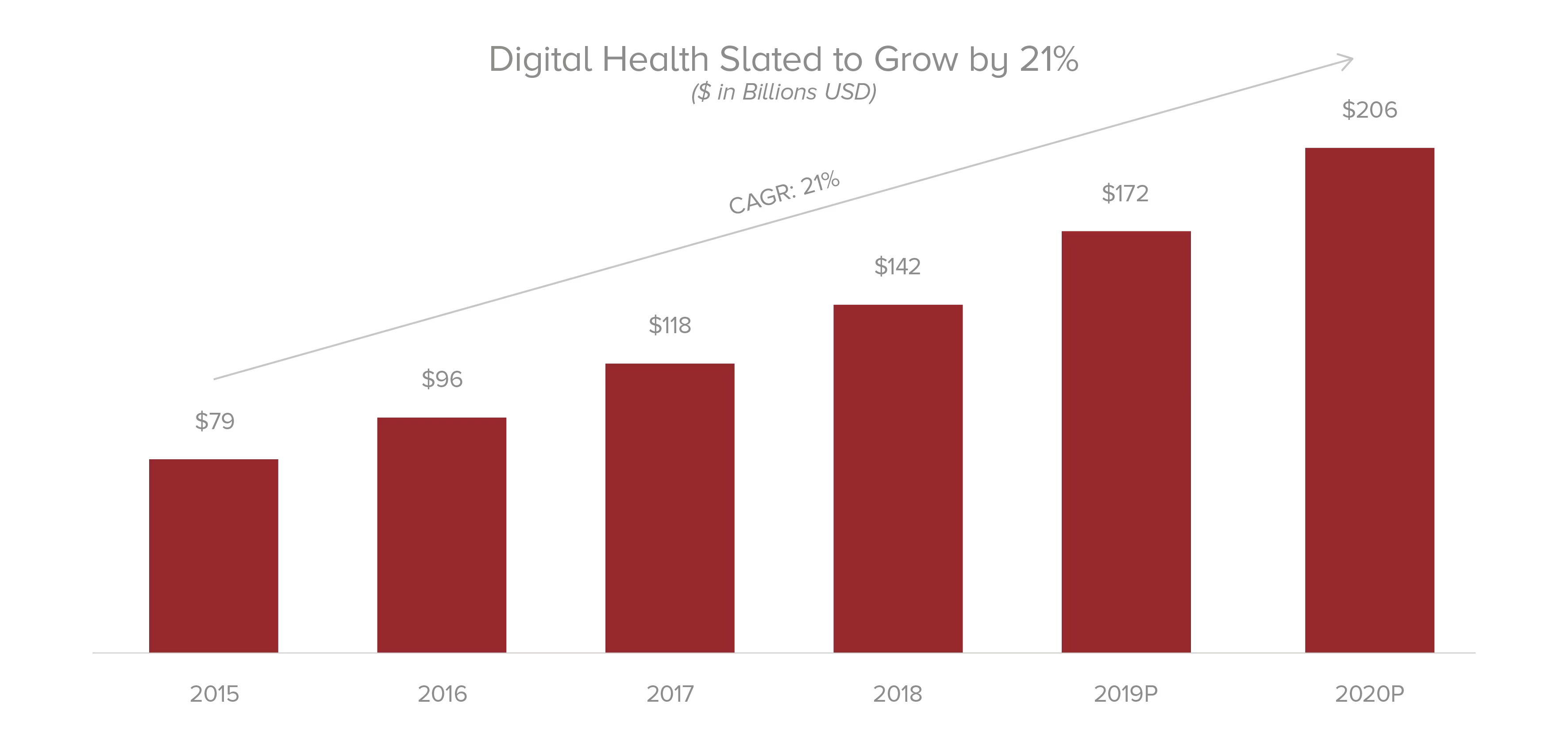
Digital health is a $172 billion global market expected to grow at a CAGR of 21% through 2020.5
Figure 5: Digital Health Slated to Grow by 21%
Source: Statista – Value of Worldwide Digital Health Market, 2019
The segment encompasses a wide range of businesses that use technology to collect, aggregate and analyze health- and wellness-related data. From wearable technology that captures biometric data to web-based employee wellness platforms, these businesses are tapping into consumer demand for greater visibility into and control over their health and healthcare costs.
Growth Drivers
These segments are tied together by one powerful trend: an increased focus on health and wellness among employers, healthcare organizations and consumers.
Seventy-one percent of global employers offer defined, comprehensive wellness programs. On a standalone basis, 84% offer health screenings, 82% offer stress management, 79% offer time management and 71% offer healthy eating options.6
Healthcare payors and providers share this focus, seeking innovative approaches to boosting health and wellness while keeping costs under better control. For many healthcare organizations, shifting toward value-based care is a major component of this drive.
Today`s consumers are facing direct financial incentives to engage with their health and improve wellness: enrollment in high-deductible health plans (HDHPs) with a health savings account (HSA) grew from 4.2% in 2007 to 18.9% in 2017, while enrollment in traditional plans decreased.7
Segment Strategy
“There are several things converging right now: technology, boutique fitness offers, on-site health providers, and consumer interest in health and wellness,” says Dan Linsalata, a director in the Harris Williams Technology, Media & Telecom Group. “New models are emerging every day to deliver on that. These markets are growing, and there`s real demand for innovative solutions that can have an impact.”
In Harris Williams` experience, leading companies in the space:
Measurably impact costs and health outcomes through a portfolio approach
Make it compelling for consumers to engage with health and wellness
Take innovative approaches that cross disciplines
Measurably impact costs and health outcomes through a portfolio approach
The health and wellness market is driven by the desire to cut healthcare costs and improve health outcomes. As such, those companies that can make a substantial impact on either front are best positioned for success.
Of course, before showing results, companies must achieve them, which is inherently difficult given the vast array of health and wellness challenges facing a given population. One way to break through this challenge is by taking a portfolio approach, using a variety of approaches to engage with distinct populations and move them toward better health.
Make it compelling for consumers to engage with their health
Breakthrough businesses focus on making it easy and appealing for consumers to engage with their health, catering to their tastes. For example, both high-end and value-priced gyms have found ways to play to this trend, from providing a full range of services to offering specific, interest-based classes that consumers can mix and match.
Likewise, health care businesses such as Aspen Dental are applying lessons learned from leading retail and consumer businesses, while wellness companies are working with employers to improve access to and usage of services.
Take innovative approaches that cross disciplines
Some of the most successful businesses in the market position themselves at the convergence of fitness and training, digital health and workplace wellness rather than as pure-play companies in one of those segments.
For example, a software company could find success in the space by offering tools that tie together coaching and exercise, nutrition tracking, emotional health, and biometric data to help consumers track their progress toward wellness goals.
“It`s about tapping into the momentum behind keeping people healthy for less cost,” says Clark. “That attracts interest from all the major constituents: healthcare companies, fitness and training providers, and consumers. And that interest drives growth.”
Innovative Health and Wellness Businesses
Harris Williams has worked directly with several innovative businesses in the health and wellness segment. The following examples are capitalizing on this opportunity by incorporating the success factors described above.
Fitness and Training
Impact Fitness is one of the highest performing franchisees within the Planet Fitness system, built on the foundation of providing high-quality, affordable access to health clubs for underserved communities.
“Impact Fitness has done a great job capitalizing on the Planet Fitness brand,” says Ryan Budlong, a managing director in the Consumer Group. “The company also has its own focus on the health and wellness of the communities in which it operates, boosting the brand`s positive impact.”
Pure Gym is the UK's leading gym operator, providing low-cost, high-quality fitness facilities to more than a million members across 200-plus sites. Pure Gym was launched in 2009, and pioneered the model for affordable, flexible, high-quality fitness clubs in the UK. Most of its gyms are open 24 hours a day across the UK and offer a full range of top-of-the-line equipment as well as fitness classes.
“Pure Gym is a best-in-class business that has been disrupting the health and fitness space since 2009 with its high-quality, affordable, flexible and technology-enabled offering,” says Ed Arkus, a managing director in the Consumer Group. “It has managed to strike an ideal balance between affordability and amenities.”
Headquartered in Austin, Texas, United PF is the largest and fastest-growing area developer within the Planet Fitness system.
“This transaction marks another marquee transaction in the fitness sector for Harris Williams,” said Zach England, a director in the Consumer Group. “We continue to see incredible appetite across the buyer community to invest in the fitness industry.”
Planet Fitness is one of the largest gym concepts in the U.S., with more than 10.5 million members and 1,500 clubs.
“What Planet Fitness has done really well is offer a low-cost, judgement-free, easy-to-find fitness option. They have directly addressed some of the biggest barriers to working out,” says England. “They also make it easy to cancel and come back—they know there's a lot of churn in the market and have found ways to accommodate that.”
Fitness World is the largest fitness provider in Denmark, with operations in both Switzerland and Poland. Founded in 2005, it has grown to become one of Europe`s leading value fitness providers, with over 230 gyms and more than 600,000 members.
“We are delighted to have worked alongside Fitness World`s shareholders and management team on this transaction. CEO Steen Albrechtslund and his team have firmly established Fitness World as the largest operator in Denmark, while building a pan-European presence through expansion in Poland and Switzerland,” said Ed Arkus.
Workplace Health and Wellness
Premise Healthcare is a leading provider of on-site health clinics, enabling direct access to healthcare at more than 275 organizations, including several Fortune 1000 companies. The company`s 600-plus health and wellness centers epitomize easy access to care for covered employees, enabling better health outcomes, productivity and cost control.
“Premise brings top-quality health and wellness services directly to consumers at their workplaces,” says Clark. “That removes barriers to adoption of healthy behaviors, and encourages faster treatment and diagnosis of health issues, both of which can reduce healthcare costs for employers.”
EXOS is an unrivaled leader in proactive health and human performance, offering a suite of proven, highly differentiated, technology-enabled solutions. EXOS is a leading workplace wellness company, providing employers with wellness services, technology, fitness facilities and training staff. The company currently has more than 150 corporate clients, with more than 400 on-site facilities in 30 countries.
As Dixon says: “EXOS is a great example of a business taking a convergent approach to the wellness space. They`re helping employers measurably reduce healthcare costs while making it easier for employees to improve their health and track their progress across mindset, movement, nutrition and recovery.”
Digital Health
MedHOK provides information-based care, quality and compliance solutions that help government-sponsored healthcare plans keep pace with a rapidly evolving regulatory environment and enhance the quality of patient care.
“Payors bear the risk of health issues among their covered populations,” explains Hendler. “MedHOK scans claims data and helps payors identify gaps in care that can lead to those problems. It`s helping them proactively protect their customers` health.”
Precision Nutrition supplies technology-powered, scientifically proven nutrition education and behavior change solutions to the global health and fitness industries.
“Precision Nutrition is another example of a company crossing silos and segment lines to participate in the health and wellness opportunity,” says Linsalata. “It offers online coaching and software to consumers, using technology to make it easier for consumers to be healthy. It also provides training and certifications through health clubs, taking advantage of the reach and growth of that market.”
EmpoweredBenefits delivers a SaaS-based private benefits exchange and benefits administration software solutions to brokers, carriers and employees.
Linsalata says the business is especially relevant in this era of high-deductible health plans: “Consumers want to be sure they`re signing up for a plan that meets their needs. Empowered Benefits walks them through their options and makes it easier for them to be an informed consumer and a better steward of their own health.”
Catalina Health is a behavior change company designed to provide customized messages based on where patients are in their health journey, ensuring successful outcomes for patients and profitable outcomes for partners. Catalina`s solutions can identify the most receptive customers and deliver the most relevant messages at critical decision points through trusted channels.
“Catalina Health provides consumers with personalized guidance on why and how to take prescribed medicine. It`s a great example of a simple yet effective way to boost medication adherence and move people toward better health,” says Hendler.
HealthMedia Solutions—a subsidiary of Johnson & Johnson—offers digital coaching in areas like wellness, disease management, behavioral health, medication adherence and aging well.
Its programs increase compliance, reduce medical utilization and boost productivity, which increases profitability for health plans, employers, pharmaceutical firms and behavioral health organizations.
“HealthMedia is a great example of an organization using technology to improve health and reduce costs through better compliance, lower medical utilization and higher productivity,” says Clark.
Published January 2020
1. IHRSA 2019 Global Report
2. ibid
3. ibid
4. Global Wellness Institute – 2018 Global Wellness and Economy Monitor
5. Statista – Value of Worldwide Digital Health Market, 2019
6. (2018, July 30). 71% of global employers offer wellness programs: survey. Retrieved August 27, 2019 from https://www.benefitscanada.com/news/71-of-global-employers-offer-workplace-wellness-programs-survey-117528
7. Cohen, Robin A. (August 2018). High-deductible Health Plan Enrollment Among Adults Aged 18–64 With Employment-based Insurance Coverage, National Center for Health Statistics. Retrieved August 27, 2019 from https://www.cdc.gov/nchs/products/databriefs/db317.htm.
Featured Engagements



Contacts

Ed Arkus
Group Head
Managing Director

Ryan Budlong
Group Head
Managing Director

James Clark
Managing Director

Andy Dixon
Managing Director

Dan Linsalata
Managing Director

Zach England
Managing Director

Nick Owens
Managing Director

